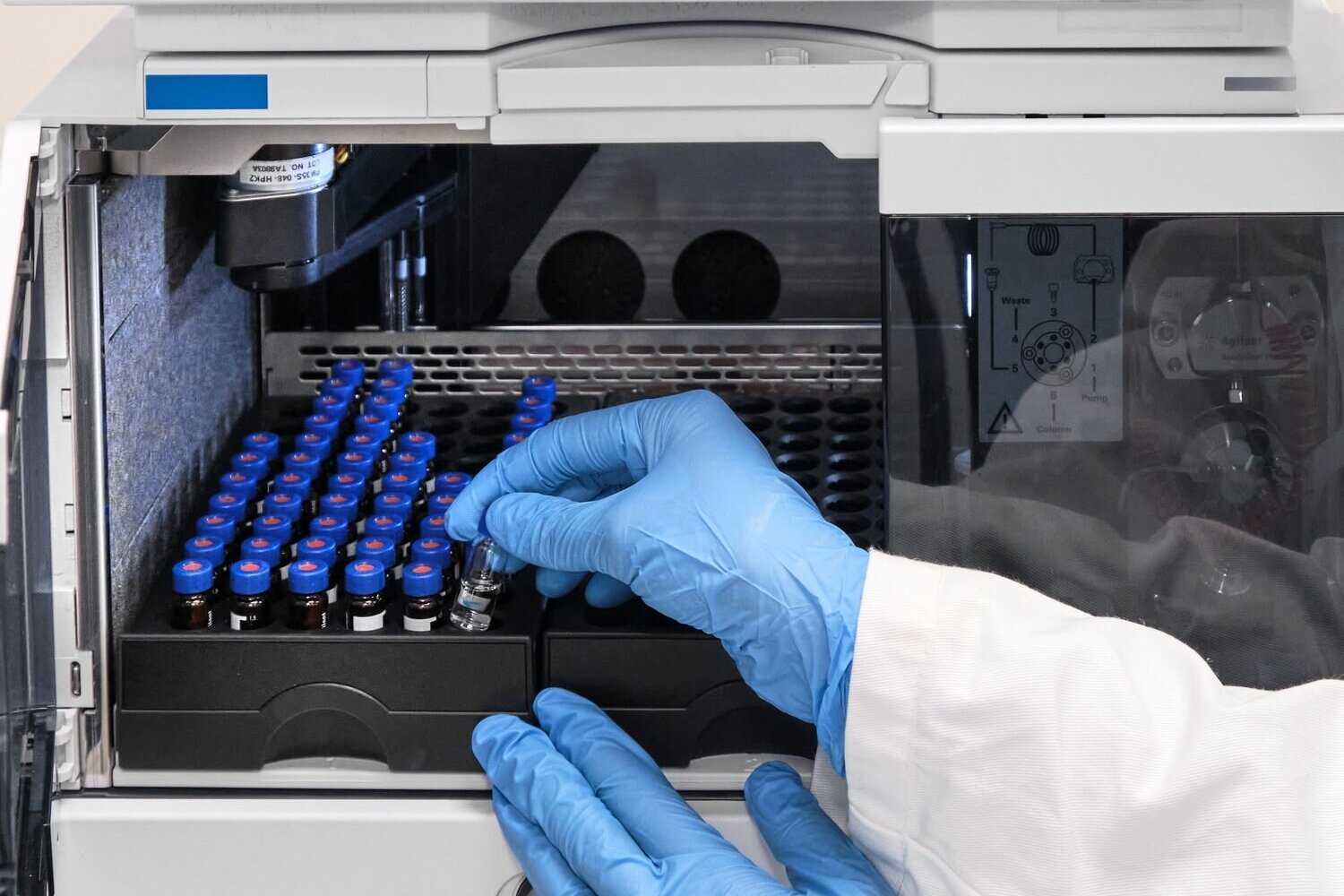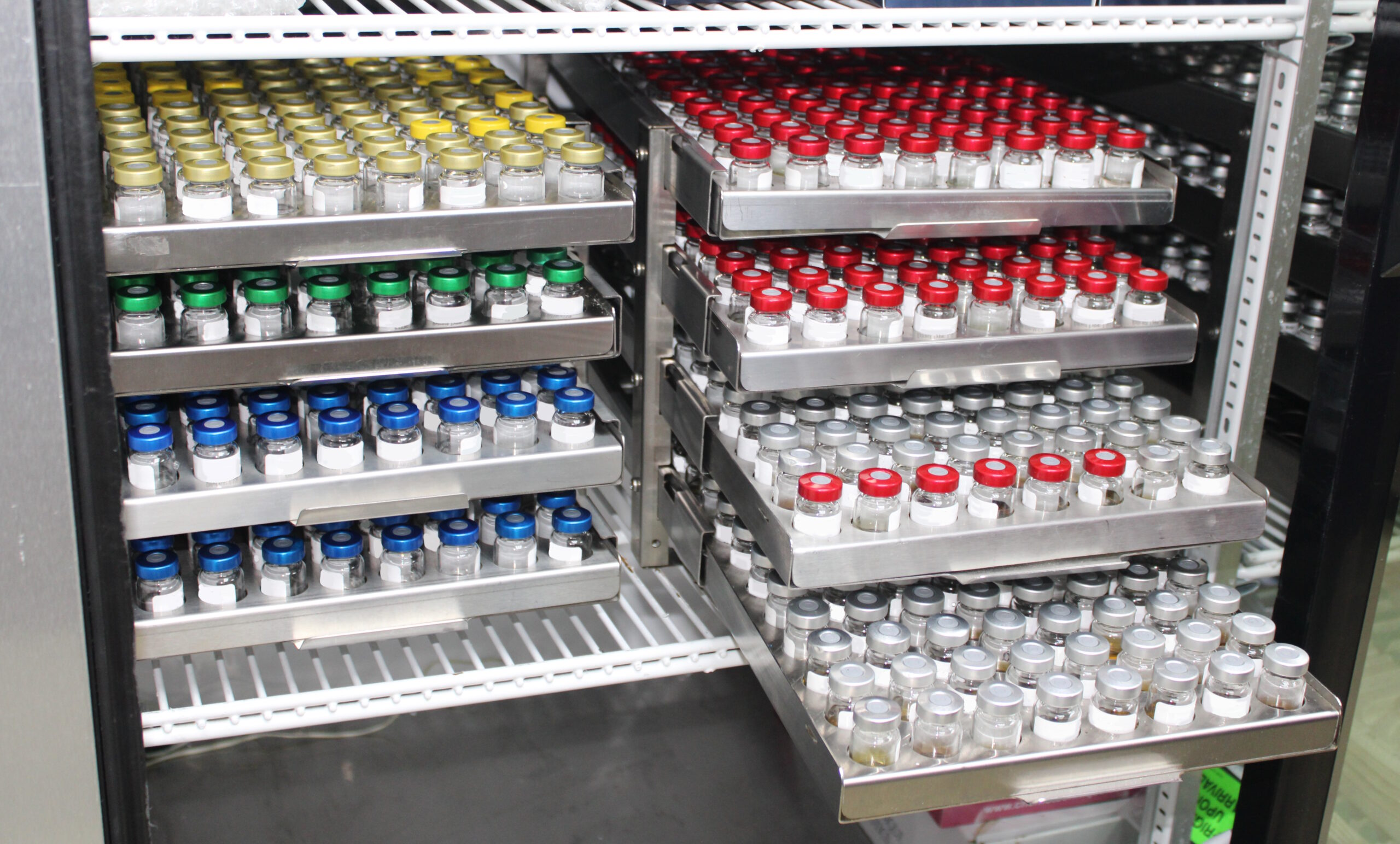

Mounjaro 12.5mg standard variant analysis mapping is best understood as a structured laboratory framework for comparing a reference peptide preparation against expected identity, purity, and variant distribution attributes. In an in-vitro setting, this mapping process supports analytical consistency, method transfer, and lot-to-lot benchmarking for research use only, especially when investigators need clear documentation of chromatographic behavior, mass confirmation, and degradation signatures.
Because peptide reference materials can display subtle heterogeneity arising from synthesis, handling, storage, or stress testing, variant mapping helps researchers distinguish meaningful analytical drift from normal experimental noise. For laboratories working with comparator materials related to tirzepatide-class research, a disciplined mapping strategy improves confidence in assay development, orthogonal confirmation, and long-term data reproducibility.
What Mounjaro 12.5mg standard variant analysis mapping means in the lab
In scientific terms, Mounjaro 12.5mg standard variant analysis mapping refers to the analytical characterization of a defined peptide standard and the systematic cataloging of detectable variants relative to a target profile. The word “mapping” is important: it implies more than a single purity result. It includes a coordinated set of observations generated across multiple platforms, such as reversed-phase HPLC, LC-MS, peptide mass fingerprinting, forced-degradation studies, and sequence-sensitive impurity review.
Within a research workflow, the objective is typically to answer several core questions:
- Does the standard match the expected molecular identity?
- What principal peak or target fraction is present under validated chromatographic conditions?
- Are there low-level related species that should be tracked over time?
- How stable is the material during handling, dilution, freeze-thaw exposure, or buffer incubation?
- Can the same mapping model be used to compare multiple research lots or external comparators?
For a peptide standard, these questions are foundational. Even small changes in oxidation state, truncation pattern, aggregation tendency, or adsorption behavior can alter analytical readouts. A thorough variant map therefore becomes a scientific reference layer rather than just a certificate checkbox.
Core components of Mounjaro 12.5mg standard variant analysis mapping
A high-quality Mounjaro 12.5mg standard variant analysis mapping program usually combines orthogonal methods. No single assay captures every attribute equally well, so robust laboratories build a composite profile.
1. Identity confirmation
Identity testing should establish that the analyte corresponds to the expected peptide architecture. In practice, this often includes intact mass determination and retention-time comparison versus a baseline reference. Depending on method depth, labs may also review isotope envelope quality, adduct formation, and signal consistency across replicate injections.
2. Chromatographic purity mapping
Reversed-phase chromatographic analysis remains central for peptide characterization. Here, investigators document:
- Main peak retention time
- Relative area percent of principal species
- Pre-peaks and post-peaks associated with related impurities
- Gradient sensitivity and mobile-phase robustness
- Column-to-column reproducibility
In Mounjaro 12.5mg standard variant analysis mapping, chromatographic data should not be interpreted in isolation. A minor peak may reflect a true chemical variant, but it could also arise from sample preparation artifacts, diluent mismatch, carryover, or adsorption-desorption effects.
3. Mass-spectrometric variant assignment
LC-MS enables researchers to assign probable identities to variant peaks when signal quality is sufficient. Common observations in peptide studies include oxidation, deamidation-related shifts, incomplete sequence products, clipping events, and non-covalent aggregates. The analytical challenge is not merely detecting these species, but distinguishing genuine process- or storage-related variants from instrument-generated complexity.
4. Stress and stability profiling
Stress testing broadens the map by revealing how the standard behaves under controlled laboratory perturbation. Typical research conditions may include thermal exposure, light exposure, pH challenge, or repeated freeze-thaw cycles. The resulting data create a reference atlas of likely degradation pathways, which can later support troubleshooting if routine assay profiles begin to drift.
Why variant mapping matters for peptide reference standards
Peptide science depends on comparability. A standard that appears acceptable in one assay may reveal hidden variability under another. Mounjaro 12.5mg standard variant analysis mapping is valuable because it transforms a single material into a well-characterized benchmark suitable for broader method development.
Researchers often use variant mapping for the following purposes:
- Method qualification: establishing whether a new chromatographic or LC-MS method separates the main peptide from relevant related species.
- Lot comparability: determining whether one standard lot behaves consistently with a historical control.
- Storage studies: identifying profile changes linked to time, temperature, or container interactions.
- Analytical troubleshooting: tracing the source of emerging peaks or signal suppression.
- Reference alignment: comparing in-house materials with external benchmark reagents for research use only.
This approach is especially useful in labs handling metabolic peptide comparators. For example, researchers may consult the Tirzepatide Weight-Management Baseline (Zepbound Co-Factor) as a relevant comparator-style material when developing cross-platform analytical baselines. Likewise, broader catalog access through products can help investigators align related research materials under a unified documentation system.
Analytical workflow design for Mounjaro 12.5mg standard variant analysis mapping
Designing a practical workflow requires balancing sensitivity, throughput, and interpretability. The most useful systems follow a staged model, moving from broad screening to deeper structural review only when needed.
Phase 1: Sample receipt and pre-analytical controls
Before injection or dilution, laboratories should document container condition, storage status, and sample history. For peptide standards, pre-analytical variables can significantly influence apparent variant burden. Adsorption to plastics, prolonged ambient exposure, or repeated vial entry can all distort the final map.
- Record storage temperature history if available
- Standardize reconstitution solvent and pH
- Use low-bind consumables where appropriate
- Define maximum hold times before analysis
- Separate fresh-prepared and aged aliquot testing
Phase 2: Primary chromatographic screening
The next step is a screening method tuned for reproducible principal-peak assessment. This method should provide enough resolution to detect routine variants without becoming so selective that day-to-day robustness suffers. Laboratories commonly track retention time windows, area normalization, and threshold-based impurity reporting.
Phase 3: Orthogonal LC-MS confirmation
If variant peaks exceed predefined review criteria, LC-MS can help characterize them. The goal is to create a decision tree:
- Is the signal reproducible across replicate preparations?
- Does it co-elute with a known system peak or blank artifact?
- Is there a plausible mass shift consistent with peptide chemistry?
- Does stress testing enrich the same feature?
This phase converts raw observations into a more stable analytical narrative, which is the essence of Mounjaro 12.5mg standard variant analysis mapping.
Phase 4: Longitudinal trend analysis
One of the most overlooked steps is trend tracking over time. A good map is not static. It should evolve as more lots, analysts, instruments, and storage intervals are studied. Laboratories that maintain control charts for principal peak area, total related species, and signature degradants typically identify analytical drift earlier than those relying on isolated batch reports.
Common variant categories researchers monitor
Although exact assignments depend on the material and method, several variant classes are commonly considered during peptide reference analysis:
- Oxidative variants: often associated with susceptible residues or handling stress.
- Deamidation-related forms: relevant in longer incubations or pH-sensitive conditions.
- Truncated sequences: possible products of synthesis or degradation.
- Isomeric or conformational species: sometimes visible as shoulder peaks or partially resolved components.
- Aggregated or adsorbed fractions: important when recovery becomes inconsistent.
Not every detected feature warrants concern. The interpretive value lies in recurrence, relative abundance, and mechanistic plausibility. This is why Mounjaro 12.5mg standard variant analysis mapping should always combine chemistry-aware review with instrument data rather than relying on software peak calls alone.
Best practices for data quality and documentation
To make variant mapping useful across projects, data governance matters as much as instrument performance. Scientific teams should define a minimum documentation package for each analyzed lot or aliquot set.
Recommended documentation elements
- Sample identifier and lot code
- Date of preparation and date of analysis
- Reconstitution solvent, concentration, and hold time
- Instrument method version and column details
- System suitability outcome
- Annotated chromatograms and mass summaries
- Variant naming conventions with rationale
- Stability or stress-study linkage where applicable
When multiple RUO comparators are tracked in the same laboratory, harmonized records become even more important. Researchers studying adjacent reference systems may also review materials such as Retatrutide Sequence Block, Tesamorelin Visceral Factor, or 5-Amino-1MQ (NNMT Inhibitor) to support internal analytical framework comparisons across peptide and small-molecule projects. For general operational questions, a centralized faqs resource can also improve consistency in sample handling and documentation practices.
Interpretation pitfalls in Mounjaro 12.5mg standard variant analysis mapping
Even well-equipped laboratories can over-interpret noisy data. Several pitfalls appear repeatedly in peptide analytics:
- Assuming every minor peak is a real impurity: some are solvent-front effects, carryover, or baseline artifacts.
- Ignoring sample preparation influence: variant patterns can shift with concentration, diluent composition, or contact surface.
- Relying on one platform: UV chromatograms alone rarely provide enough structural insight.
- Comparing non-harmonized methods: retention shifts across different gradients do not necessarily imply material differences.
- Using single timepoint conclusions: trends are more informative than isolated measurements.
A strong scientific posture is to classify findings by confidence level: observed, reproduced, tentatively assigned, or structurally confirmed. This helps prevent the inflation of weak signals into unsupported conclusions.
Building a scalable peptide characterization strategy
Mounjaro 12.5mg standard variant analysis mapping can serve as a model for broader peptide standard characterization programs. Once a laboratory defines naming conventions, orthogonal confirmation criteria, and trend thresholds, the same logic can be applied to related comparator materials and experimental standards.
An effective scalable strategy usually includes:
- A primary release panel for identity and purity
- A secondary panel for variant assignment
- Triggered stress testing for unusual profiles
- Periodic method review across instruments and analysts
- Archived reference chromatograms for historical alignment
In this sense, mapping is not just a one-time analysis. It is an analytical knowledge system that strengthens reproducibility and cross-study comparability for research use only.
Conclusion
Mounjaro 12.5mg standard variant analysis mapping provides a disciplined framework for understanding peptide standard identity, purity, and related-species behavior in the laboratory. By combining chromatography, LC-MS, stress profiling, and careful documentation, researchers can generate a meaningful reference map rather than a narrow pass/fail snapshot. For teams working with peptide comparators and analytical standards, this methodical approach supports clearer interpretation, improved lot benchmarking, and more reliable in-vitro assay development for research use only.