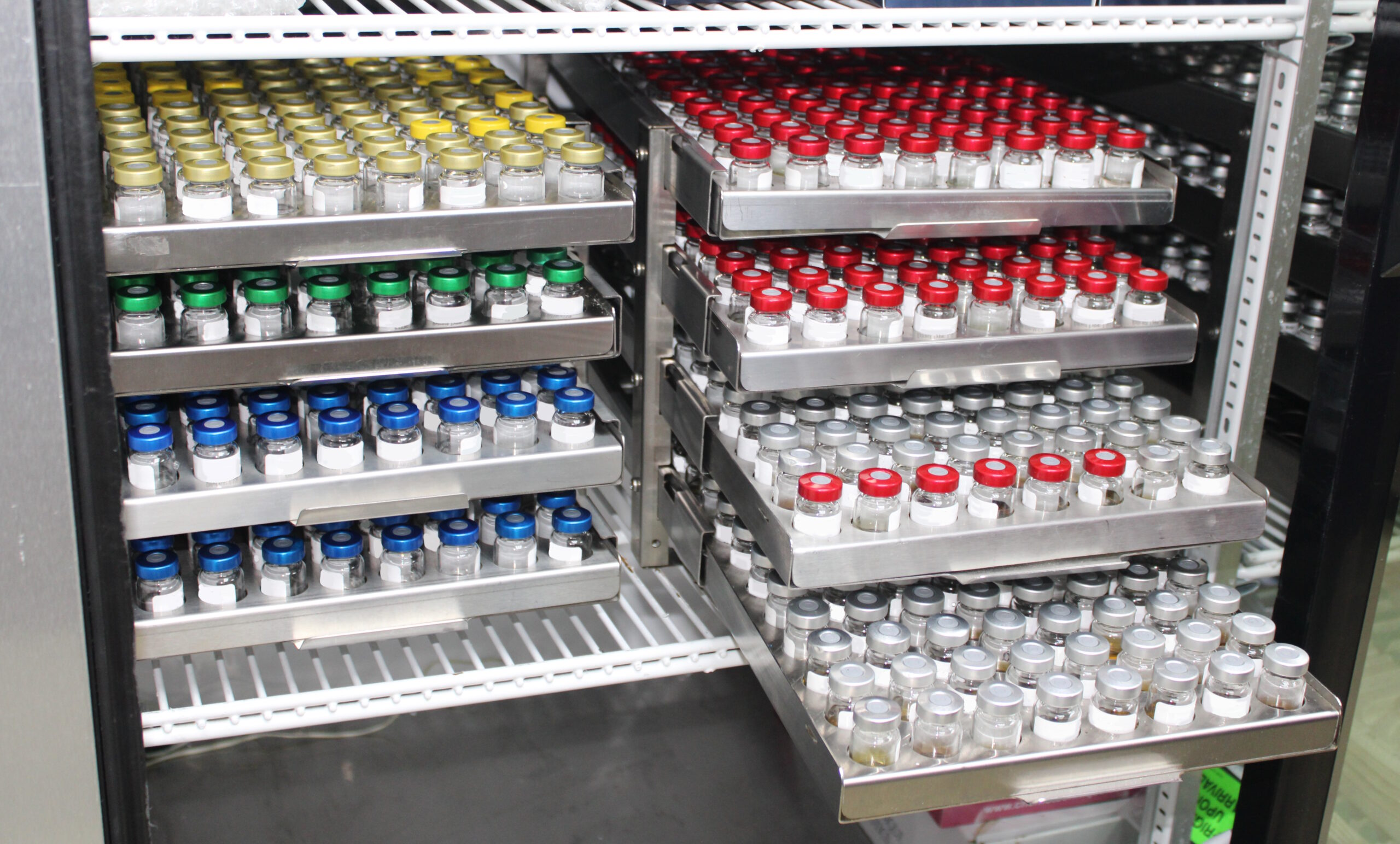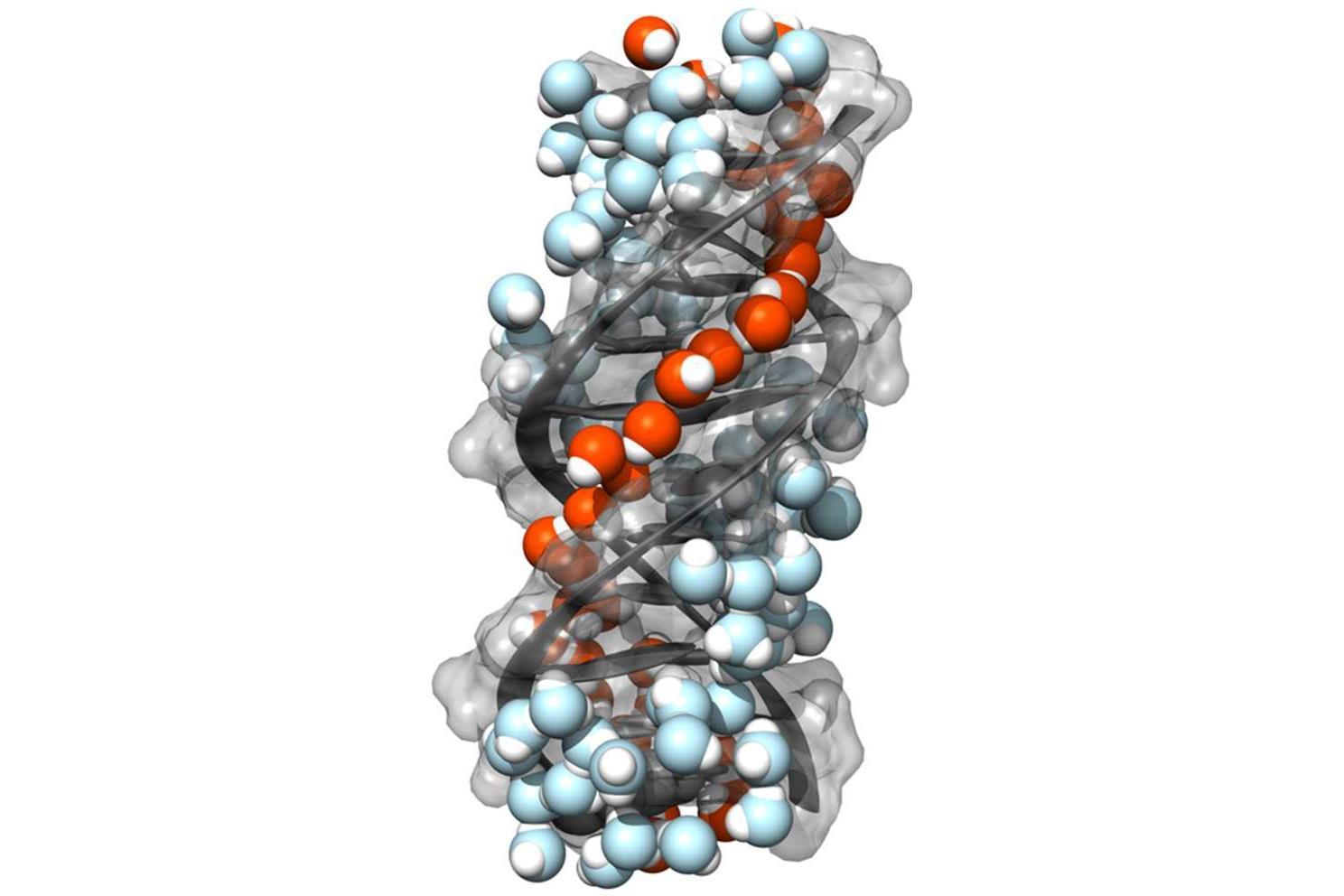

Tirzepatide mass spectrometry molecular weight verification is a foundational analytical step in peptide characterization, especially when laboratories need high-confidence identity confirmation before in-vitro assay deployment. In research settings, mass spectrometry helps verify that a supplied peptide lot matches its expected molecular profile, reveals common adducts or impurities, and supports reproducible quality control workflows for materials designated for research use only.
For peptide-focused laboratories, molecular weight verification is rarely a standalone checkbox. It is part of a broader analytical framework that may include HPLC purity review, sequence-aware interpretation, salt and counterion assessment, and stability monitoring during storage, reconstitution, and handling. When applied correctly, mass spectrometry provides a fast, information-rich approach to determining whether a sample is consistent with the expected analyte and suitable for downstream laboratory use.
Researchers working across metabolic and peptide screening panels often compare analytical methods between structurally related materials. For example, teams evaluating GLP-1 (C) (Research Tirzepatide Equivalent) alongside adjacent research models may standardize the same LC-MS acceptance criteria across projects. Similar harmonized workflows are often extended to adjacent catalog categories visible in the broader product collection and clarified in routine technical documentation such as the FAQs.
Why Tirzepatide mass spectrometry molecular weight verification matters
Peptide identity confirmation depends on more than label accuracy. Even well-handled materials can display signal complexity from multiple charge states, sodium or potassium adduct formation, solvent clusters, or low-level degradants. Tirzepatide mass spectrometry molecular weight verification helps laboratories distinguish the true analyte mass from these expected spectral variations.
In practical terms, the analysis supports several key quality objectives:
- Identity confirmation: verifies that the observed neutral mass aligns with the expected peptide molecular weight.
- Batch comparability: supports consistency checks between incoming lots or retained reference aliquots.
- Impurity awareness: may reveal truncated species, oxidized forms, deamidation products, or synthesis-related byproducts.
- Method qualification support: provides orthogonal evidence alongside chromatographic purity data.
- Stability tracking: helps evaluate whether storage or repeated freeze-thaw exposure has altered molecular integrity.
For laboratories validating incoming materials, this workflow is especially useful when integrating new peptide standards with other research compounds such as GLP-3 (R) (Research Retatrutide Equivalent) or longer-term peptide models like Tesamorelin Visceral Factor. Cross-platform analytical consistency reduces ambiguity when comparing assay outcomes across projects.
Core principles behind peptide mass spectrometry
Mass spectrometry measures mass-to-charge ratio, commonly written as m/z. Because peptides ionize into multiple charged forms under electrospray ionization, the instrument often detects a charge envelope rather than a single peak. The analyst then deconvolutes the observed spectrum to derive the neutral molecular mass.
Common ionization approach
For a peptide such as tirzepatide, electrospray ionization (ESI) is typically preferred because it is gentle and preserves intact molecular ions well enough for accurate mass measurement. Depending on solvent composition, acidity, source conditions, and concentration, the spectrum can show several protonation states, often including multiply charged species.
What analysts actually verify
The objective is not simply to see “a peak.” Instead, the laboratory checks whether:
- The charge state distribution is plausible for the peptide size and composition.
- The deconvoluted molecular weight matches the theoretical mass within the instrument's acceptance tolerance.
- The isotopic envelope shape is chemically reasonable.
- Observed secondary signals can be explained by adducts, salts, or low-level variants.
- Replicate injections produce consistent mass assignments.
This structured interpretation is what makes Tirzepatide mass spectrometry molecular weight verification scientifically useful rather than merely descriptive.
Tirzepatide mass spectrometry molecular weight verification workflow
A robust workflow begins before the sample reaches the mass spectrometer. Pre-analytical handling strongly influences signal clarity, adduct burden, and reproducibility.
1. Sample preparation considerations
Peptide analysts generally aim for solvents and containers that minimize contamination and adsorption. Excess nonvolatile salts can suppress ionization or broaden spectra, while inappropriate pH conditions may increase degradation risk. Laboratories commonly document:
- Sample solvent and diluent composition
- Approximate concentration range used for LC-MS
- Vial material and storage duration
- Temperature exposure history
- Freeze-thaw count, if relevant
These records become especially important when comparing spectra collected on different days or by different operators.
2. Instrument acquisition
Most laboratories use LC-MS or direct infusion MS depending on the question being asked. LC-MS is often favored for incoming QC because chromatographic separation can reduce matrix effects and partially resolve related species before mass analysis. Acquisition settings are tuned to balance sensitivity with intact-mass fidelity.
3. Charge state assignment
Once the spectrum is collected, the analyst identifies repeating isotope clusters corresponding to distinct charge states. Correct charge assignment is essential; a single misassigned envelope can produce an incorrect deconvoluted mass. Modern software helps automate this, but manual review remains important in regulated or high-stringency research environments.
4. Deconvolution and theoretical comparison
The measured m/z values are mathematically transformed into a neutral mass. This deconvoluted value is then compared with the expected molecular weight derived from the known sequence and structural modifications. Acceptance criteria should be predefined within the laboratory's SOP structure.
5. Review for adducts and variants
Analysts then inspect for predictable mass shifts associated with sodium adduction, potassium adduction, oxidation, hydration artifacts, or low-level truncation products. In many peptide workflows, identifying these secondary features is just as valuable as confirming the principal molecular ion.
Interpreting spectra: expected findings and common complications
Even a high-quality peptide sample may produce a complex spectrum. Understanding expected complexity prevents false failure decisions.
Multiple charge states are normal
Large peptides routinely appear as a family of peaks corresponding to different protonation levels. A well-behaved analyte may display a broad but coherent charge envelope. This is not evidence of impurity by itself; it is often the expected behavior under ESI conditions.
Adducts do not always indicate poor quality
Sodium and potassium adducts are common in peptide analysis. Their presence may reflect trace salts from glassware, solvents, buffers, or sample history rather than synthesis problems. The key question is whether the main deconvoluted mass remains clearly assignable.
Potential degradants or side products
Research laboratories should also be aware of signals that may indicate meaningful sample changes:
- Oxidized variants
- Deamidated forms
- N-terminal or C-terminal truncations
- Aggregation-related signal suppression
- Counterion-associated spectral broadening
When these species are observed, follow-up by orthogonal methods such as reversed-phase HPLC, high-resolution MS, or tandem MS may be appropriate.
Analytical best practices for reliable verification
To make Tirzepatide mass spectrometry molecular weight verification reproducible across instruments and teams, laboratories benefit from standardized controls and documentation. This is particularly relevant in shared facilities where peptide, nucleotide, and small-molecule projects compete for instrument time.
Recommended QC practices
- Use a reference standard strategy: compare incoming material against a retained, well-characterized lot where feasible.
- Record system suitability: verify calibration, resolving power, and mass accuracy before sample analysis.
- Limit nonvolatile components: keep salts and detergents low to reduce ion suppression and adduct formation.
- Review raw and deconvoluted data: software summaries should not replace expert interpretation.
- Pair MS with chromatography: molecular weight alone may not fully describe purity or heterogeneity.
These principles apply broadly across peptide research portfolios, whether a lab is reviewing metabolic constructs or unrelated peptide tools such as CJC-1295 + Ipamorelin Complex and Epithalon (Telomere Modulation Model).
How molecular weight verification fits into broader peptide characterization
Mass spectrometry is powerful, but it works best as part of a layered analytical strategy. A peptide can show the expected molecular weight and still present issues affecting experimental reliability, such as co-eluting impurities or storage-related changes not fully resolved in a single MS run.
A complete research characterization package may include:
- Calculated molecular weight review based on sequence and modification data
- Intact-mass LC-MS for identity confirmation
- Purity profiling by HPLC to estimate major and minor chromatographic components
- Optional MS/MS confirmation where sequence-level evidence is needed
- Stability studies under defined storage and handling conditions
This integrated approach supports stronger reproducibility in receptor binding studies, cell-based signaling assays, formulation stress tests, and analytical method development. For institutions building internal libraries of peptide materials for research use only, documentation of each of these layers can significantly reduce downstream troubleshooting.
Troubleshooting inconsistent tirzepatide mass spectra
When results vary across runs, the cause is often procedural rather than fundamental to the analyte. Common troubleshooting steps include:
- Check desalting adequacy: residual salts frequently increase adduct burden and reduce spectral clarity.
- Inspect concentration effects: samples that are too dilute or too concentrated may produce unstable signal patterns.
- Review solvent freshness: aged solvents can elevate background or introduce contaminants.
- Assess carryover: previous injections may distort low-level impurity interpretation.
- Confirm instrument calibration: small mass shifts can become significant when acceptance windows are tight.
- Evaluate sample age: prolonged storage may increase oxidized or fragmented species.
Where recurring issues are observed, laboratories may benefit from side-by-side testing against other stable reference materials in the same analytical sequence. Some groups also benchmark workflow robustness using orthogonal research reagents from different categories, including compounds such as Micronized NMN (99% Purity Catalyst) or structurally distinct materials like GHK-Cu Dermal Matrix Reconstitution Block, although interpretation criteria naturally differ by analyte class.
Reporting and documentation standards
The final value of Tirzepatide mass spectrometry molecular weight verification depends on how clearly the data are recorded. A concise but complete analytical report should typically include:
- Date of analysis and analyst identification
- Instrument platform and calibration status
- Sample identifier and lot traceability
- Preparation conditions and solvent system
- Observed charge states and deconvoluted mass
- Expected theoretical mass and acceptance threshold
- Noted adducts, secondary peaks, or anomalies
- Linked chromatograms or raw file references
Such reporting creates a defensible data trail for inventory release decisions, collaborative research transfer, and retrospective troubleshooting. For contract labs and institutional core facilities, standardized reporting also improves comparability between operators and sites.
Conclusion
Tirzepatide mass spectrometry molecular weight verification is a central analytical practice for confirming peptide identity, assessing spectral quality, and supporting trustworthy in-vitro research workflows. By combining careful sample preparation, accurate charge-state interpretation, rigorous deconvolution, and thoughtful review of adducts and related species, laboratories can obtain a high-confidence view of whether a peptide lot is consistent with expectations.
As with any peptide QC strategy, the most reliable outcomes come from integrating intact-mass data with chromatographic purity assessment, method controls, and clear documentation. For organizations sourcing peptide materials for research use only, this framework helps protect data quality and strengthens reproducibility across screening, characterization, and assay development programs.