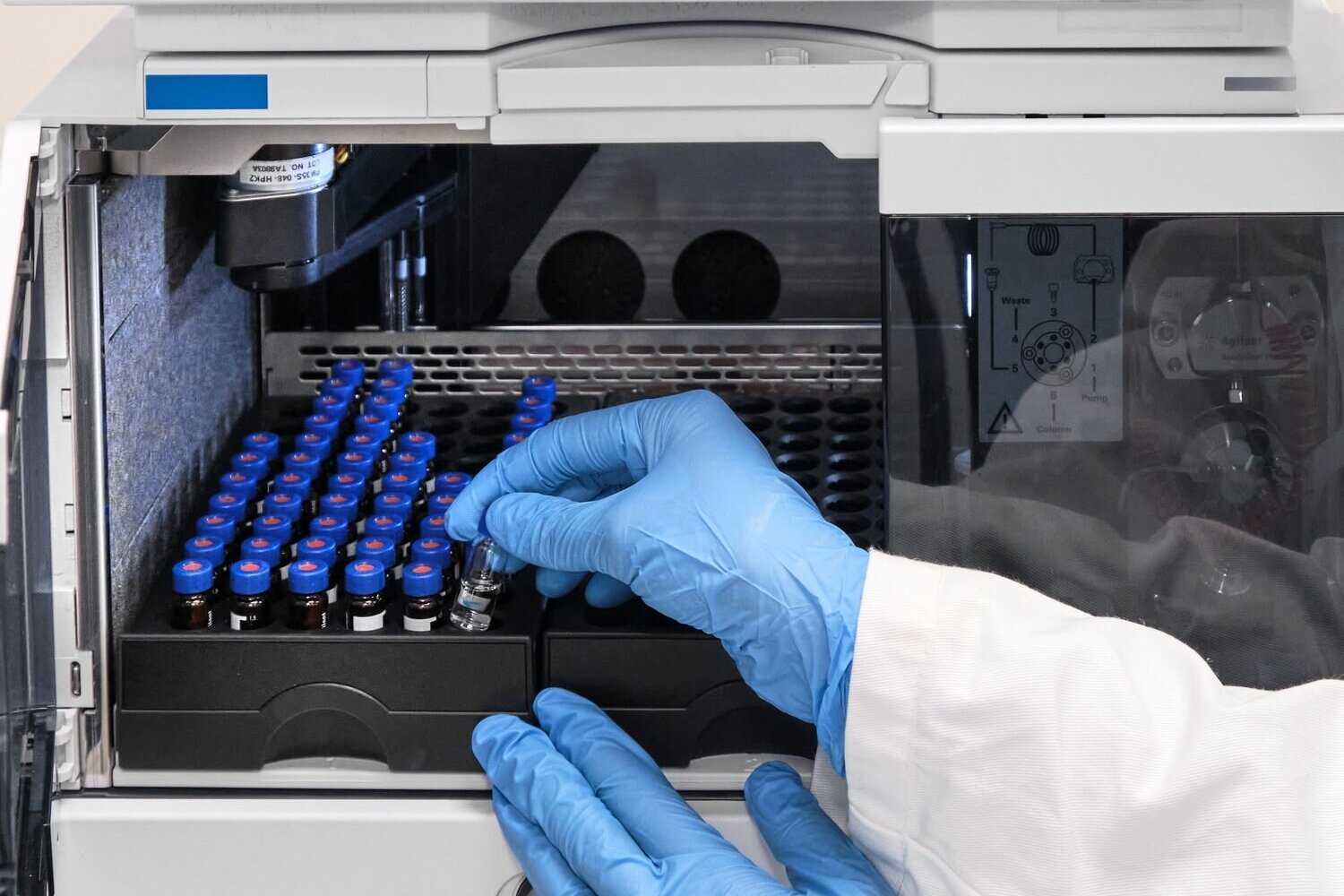

Researchers asking where to source third party verified tirzepatide are usually trying to solve a quality-control problem, not simply locate a catalog listing. In a laboratory setting, tirzepatide sourcing should be approached through analytical documentation, independent verification, cold-chain handling where relevant, and batch traceability. For research use only, the most reliable suppliers are those that can clearly document identity, purity, lot-specific testing, storage expectations, and third-party analytical review rather than relying on broad marketing language.
Tirzepatide is a complex peptide-based research material, so even small inconsistencies in synthesis, handling, or documentation can affect experimental reproducibility. Whether a lab is conducting analytical comparisons, stability assessments, receptor-binding work, or method development, the sourcing standard should be built around evidence. That means reviewing certificates of analysis, understanding the methods used to verify material attributes, and confirming that independent testing aligns with the stated specification.
Where to source third party verified tirzepatide: core evaluation criteria
If the goal is to determine where to source third party verified tirzepatide, begin with the supplier's quality system rather than the product page headline. A trustworthy research supplier should be able to provide documentation that supports lot-specific claims and distinguishes in-house results from independent laboratory findings.
- Lot-specific certificate of analysis: Documentation should be linked to the exact batch being supplied, not a generic template.
- Third-party analytical confirmation: Independent review may include chromatographic purity assessment, mass confirmation, or related impurity profiling.
- Identity verification: Researchers should look for mass spectrometry or similarly suitable identity data consistent with the expected molecular profile.
- Purity methodology: High-performance liquid chromatography is commonly used to characterize peptide purity, but the method and acceptance criteria should be interpretable.
- Chain of custody and traceability: Each vial or unit should map back to a lot number, release documentation, and storage history where applicable.
- Storage and handling instructions: Clear laboratory guidance helps preserve material integrity after receipt.
In many cases, the difference between a credible source and a weak one is not price or catalog breadth, but whether the supplier can answer precise technical questions. Labs should prioritize sources that understand analytical chemistry and can explain their release framework in plain scientific terms.
Why third-party verification matters in peptide research
Third-party verification adds a layer of confidence because it reduces sole reliance on the seller's internal claims. For peptide materials such as tirzepatide, independent testing can help confirm that the reported identity and purity are not merely nominal values. This is especially important for inter-lot comparisons, assay development, and any workflow where reproducibility is a priority.
Independent testing reduces avoidable uncertainty
When a peptide is evaluated only by the organization selling it, researchers have less visibility into possible methodological bias, incomplete reporting, or omitted lot variation. A third-party analytical report does not guarantee perfection, but it improves transparency. In a research environment, that transparency can support better method validation and better interpretation of experimental outcomes.
Verification supports comparability across projects
Labs often compare reference materials across time, instruments, or study designs. If tirzepatide is sourced from a supplier with independent verification and consistent documentation, the material is more likely to be defensible as a stable input variable. This matters when interpreting chromatograms, degradation studies, or in-vitro signaling results that depend on chemical consistency.
Researchers working across adjacent metabolic peptide models may also benefit from comparing documentation standards used for other catalog items, such as Retatrutide Sequence Block, AOD-9604 Lipolytic Fragment, or MOTS-c Mitochondrial Sequence Block. While these are distinct research materials, the same sourcing logic applies: identity, purity, traceability, and analytical transparency.
What documentation to request before you buy
One practical answer to where to source third party verified tirzepatide is this: source only from suppliers willing to share enough technical documentation for informed review. Before procurement, request records that allow your team to verify what is being supplied and how it was characterized.
- Certificate of analysis: Confirm the lot number, test date, analytical methods, and reported specifications.
- Third-party test report: Ask whether purity and identity were verified externally and whether the report is batch matched.
- Method summary: Review whether HPLC, LC-MS, or other relevant techniques are described with sufficient clarity.
- Storage and shipment conditions: Determine how the material is packaged and what temperature controls were used during transit.
- Retest or stability information: If available, examine any guidance on shelf life, retesting intervals, or degradation monitoring.
- Research-use statement: Documentation should make clear that the material is supplied for research use only.
If a vendor cannot produce basic analytical records, or if the records appear generic and detached from the actual lot, that is a signal to continue searching. Reputable laboratory suppliers generally expect these questions and should be prepared to answer them.
How to interpret COAs and purity claims scientifically
Certificates of analysis are useful only when read critically. A high purity percentage may look reassuring, but the context matters. Researchers should evaluate not just the number, but how the number was generated.
Look beyond the headline purity value
- Method suitability: Was the purity assessed with an appropriate chromatographic method for the peptide?
- Peak resolution: Can closely related impurities be separated, or is the method too coarse?
- Detection context: Was UV detection used alone, or was purity paired with mass-based identity confirmation?
- Lot specificity: Is the reported result tied to the exact lot offered for sale?
For complex peptides, a single purity number does not fully describe quality. Related species, truncations, aggregation tendencies, and handling conditions may all influence research performance. A supplier serious about analytical rigor should be willing to discuss these limitations honestly.
Identity confirmation is essential
Mass spectrometry or equivalent identity tools are particularly important when evaluating tirzepatide. A chromatographic trace may suggest a clean profile, but identity confirmation helps ensure the main signal corresponds to the expected molecular species. For laboratories building robust workflows, identity and purity should be interpreted together, not as separate marketing claims.
Supplier red flags researchers should not ignore
Not every seller advertising peptide materials operates at a laboratory-grade standard. If you are assessing where to source third party verified tirzepatide, several warning signs should move a supplier down your list.
- No third-party data available: The vendor claims verification but cannot provide any independent report.
- Generic COAs: Documents lack lot numbers, dates, analyst information, or method detail.
- Overstated claims: Promotional language substitutes for analytical evidence.
- Inconsistent storage guidance: The supplier offers vague or contradictory handling instructions.
- Poor traceability: Packaging, labels, and records do not align with a unique batch history.
- No clear research-use framing: Materials should be designated for laboratory purposes and for research use only.
Another subtle red flag is reluctance to discuss routine laboratory support items. Suppliers serving serious research customers usually understand the broader workflow, including reference comparators, reconstitution accessories, or documentation access. For example, a lab may review related inventory such as HelixSynth Certified Bacteriostatic Water Bulk Pack for structural reconstitution workflows, browse the broader product catalog, or consult technical clarifications in the FAQs. These supporting resources do not replace tirzepatide verification, but they can indicate how comprehensively a supplier serves laboratory operations.
Best practices for selecting a research supplier
Once analytical records are available, supplier selection becomes a matter of consistency and fit with your lab's standards. A good procurement decision balances documentation quality, communication, and practical handling requirements.
Questions to ask before ordering
- Is the tirzepatide lot accompanied by independent analytical verification?
- Are identity and purity both documented with suitable methods?
- Can the supplier explain acceptable storage conditions after receipt?
- Is there a clear lot numbering system and release date?
- Are the documents easy to reconcile with the physical label and shipment record?
- Does the supplier clearly designate the material for research use only?
Build a sourcing checklist for procurement teams
Many laboratories benefit from a standardized peptide sourcing checklist. This can include vendor qualification status, document review criteria, shipment inspection steps, and retention of lot-specific COAs in the lab record system. Standardization reduces procurement variability and makes future audits easier.
Teams comparing multiple peptide classes may choose to align this checklist across other research materials as well, including items such as Epithalon (Telomere Modulation Model) or MOTS-c Mitochondrial Reagent. The principle remains unchanged: analytical confidence begins before the experiment starts.
Final thoughts on sourcing with confidence
The most defensible answer to where to source third party verified tirzepatide is to choose a supplier that treats peptide quality as a documented scientific standard rather than a promotional talking point. In practical terms, that means lot-specific COAs, independent verification, transparent methods, traceable packaging, and clear laboratory handling guidance. For research use only, these elements matter far more than broad claims or superficial specifications.
When tirzepatide is sourced with proper analytical scrutiny, researchers are better positioned to reduce uncertainty in in-vitro and laboratory workflows. A disciplined sourcing process supports reproducibility, strengthens internal quality systems, and helps ensure that the material entering the lab matches the documentation used to justify its selection.