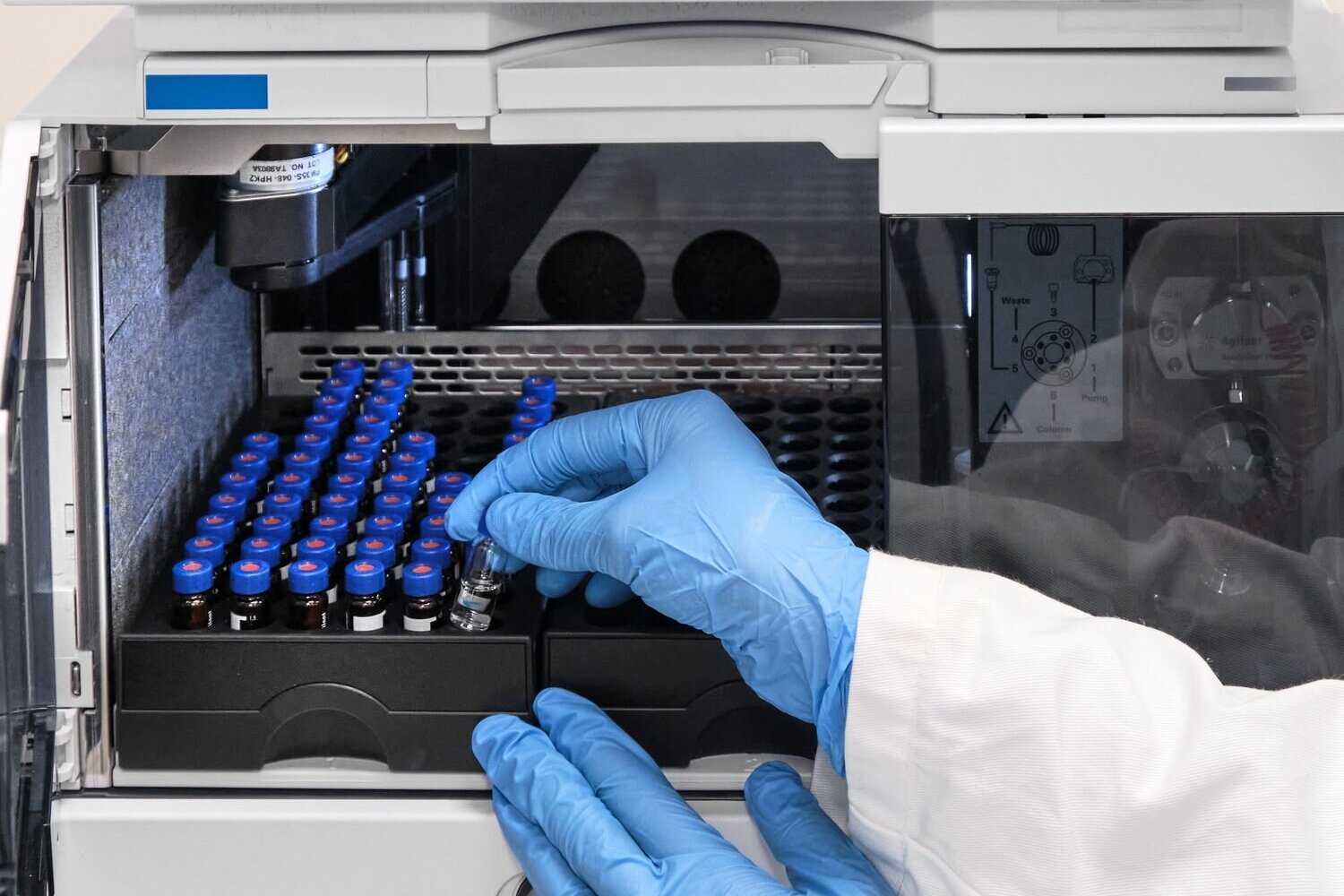

GLP-1 receptor agonist research methodology requires careful control of peptide identity, receptor biology, assay timing, matrix effects, and analytical verification. In a laboratory setting, investigators working with incretin-mimetic peptides must structure experiments around reproducibility, traceability, and mechanistic clarity, always treating materials as for research use only reagents rather than therapeutic products.
Because GLP-1 receptor signaling is pleiotropic and highly context dependent, small differences in peptide handling, cell background, receptor expression, and endpoint selection can produce large differences in apparent potency or efficacy. A robust workflow therefore combines orthogonal assay formats, qualified reference materials, predefined acceptance criteria, and rigorous documentation. Researchers seeking standardized peptide comparators can review the broader product catalog and supporting technical information in the FAQs before initiating protocol development.
Core principles of GLP-1 receptor agonist research methodology
At its foundation, GLP-1 receptor agonist research methodology is an exercise in linking molecular quality to biological readout. The receptor is a class B G protein-coupled receptor, and its signaling can be assessed through multiple pathways including cAMP accumulation, beta-arrestin recruitment, receptor internalization, and downstream transcriptional responses. A single assay rarely captures the full signaling profile, so method selection should match the specific scientific question.
For example, if the objective is receptor activation ranking, a cAMP assay may be the primary screen. If the objective is signaling bias, then matched pathway assays should be run under harmonized conditions. If the objective is stability-function coupling, the peptide should be tracked analytically before and after incubation in the experimental matrix.
Questions that should be defined before assay setup
- Is the study focused on potency, efficacy, binding, stability, signaling bias, or formulation behavior?
- Will the model system use recombinant receptor expression, endogenous expression, or membrane preparations?
- What reference standard will anchor inter-run comparability?
- Which orthogonal analytical method will confirm peptide integrity?
- What acceptance thresholds define a valid run?
These planning steps reduce false interpretation and improve transferability between technicians, instruments, and study dates.
Experimental models for GLP-1 receptor agonist research methodology
Model selection strongly shapes data quality. Common in-vitro systems include engineered mammalian cell lines expressing the GLP-1 receptor, pancreatic beta-cell-like lines with endogenous or semi-endogenous receptor activity, primary cell systems, and isolated membrane preparations for binding-focused work. Each has tradeoffs in physiological relevance, throughput, and signal-to-noise ratio.
Recombinant cell systems
Recombinant systems are often preferred for early-stage GLP-1 receptor agonist research methodology because receptor density and reporter architecture can be controlled. This enables clearer concentration-response modeling and efficient assay optimization. However, overexpression can distort receptor reserve and exaggerate apparent potency. Researchers should characterize receptor abundance, passage effects, and baseline signaling drift.
Endogenous-expression systems
Endogenous systems may better reflect native trafficking and accessory protein context, but they are usually more variable. In these systems, normalization to internal controls and batch-matched culture conditions becomes especially important. Passage number, confluency, serum lot, and differentiation state should be logged in a structured laboratory record.
Cell-free and membrane-based formats
Membrane preparations can support receptor binding and select biochemical readouts with reduced cellular complexity. These platforms are useful when investigators need to isolate receptor-ligand interactions from metabolism, trafficking, or transcriptional feedback. The tradeoff is that they cannot fully model integrated signaling behavior.
Reference standards, controls, and comparators
High-quality comparators are central to GLP-1 receptor agonist research methodology. Without a stable anchor, apparent changes in EC50, maximal response, or degradation rate may simply reflect day-to-day assay drift. A reference material should be identity confirmed, consistently handled, and reserved in aliquots that minimize repeated freeze-thaw exposure.
Relevant internal comparator options include the Semaglutide Glycemic Control Comparator (Ozempic Co-Factor), the Liraglutide Daily Micro-Dose Standard (Victoza Co-Factor), and the Liraglutide Polypeptide Standard (Saxenda Co-Factor). In a research workflow, such materials can support assay benchmarking, inter-batch bridging, and orthogonal method verification when used strictly for research use only.
Recommended control framework
- Positive control: A well-characterized GLP-1 receptor agonist comparator run on every plate or assay batch.
- Negative control: Vehicle or matrix control with matched solvent composition.
- Specificity control: A non-target peptide or receptor-null cell line where appropriate.
- Process control: A sample that tracks extraction, incubation, or sample-preparation performance.
- System suitability criteria: Predetermined windows for baseline signal, dynamic range, and replicate precision.
Many laboratories also include bridging controls between analysts and instruments to detect subtle shifts in assay behavior over time.
Assay design and endpoint selection
Effective GLP-1 receptor agonist research methodology depends on selecting endpoints that answer a defined mechanistic question. cAMP accumulation remains a widely used primary readout because GLP-1 receptor activation commonly couples to Gs signaling. Yet cAMP alone may not distinguish full versus partial agonism under all conditions, and it does not capture all aspects of receptor trafficking or pathway bias.
Common in-vitro endpoints
- cAMP assays: Useful for potency screening and concentration-response modeling.
- Beta-arrestin recruitment: Informative for pathway-selective signaling studies.
- Receptor internalization: Helps characterize trafficking kinetics and desensitization behavior.
- Binding assays: Support affinity estimation and competitive interaction studies.
- Stability assays: Measure degradation or adsorption in buffer, serum-containing media, or workflow-specific matrices.
- Gene expression panels: Best reserved for downstream exploratory questions rather than primary potency determination.
Timing matters. Short incubations may emphasize proximal signaling, while longer exposures can introduce receptor recycling, degradation, transcriptional adaptation, or media instability. To compare molecules fairly, incubation windows, plate format, cell density, and signal-detection chemistry should be standardized.
Concentration-response considerations
A full concentration-response design should span below-threshold to saturating concentrations, with enough points in the transition region to support stable curve fitting. Replicate structure should be planned before data collection rather than adjusted later. It is also good practice to randomize plate position and monitor edge effects, particularly in high-throughput formats.
Sample handling, stability, and analytical verification
Peptide research often fails at the pre-analytical stage. Adsorption to plastics, agitation stress, pH drift, proteolytic degradation, and repeated thaw cycles can alter apparent activity before the assay even begins. In GLP-1 receptor agonist research methodology, sample handling protocols should therefore be written with the same rigor as the biological assay itself.
Best-practice handling elements
- Use low-binding consumables where compatible with the assay.
- Prepare aliquots sized for single-use or minimal re-entry.
- Document solvent, buffer composition, and reconstitution sequence.
- Track hold times at room temperature, refrigerated conditions, and frozen storage.
- Assess stability after defined freeze-thaw cycles.
- Compare fresh versus stored material in both analytical and functional assays.
Analytical confirmation is especially valuable when unexpected bioactivity shifts occur. Depending on laboratory capability, suitable orthogonal approaches may include LC-based purity profiling, mass confirmation, peptide mapping, or impurity trend analysis. Functional changes without analytical change can suggest receptor-system artifacts, whereas analytical changes with stable function may indicate tolerance to minor degradation products or assay insensitivity.
Some groups also investigate broader metabolic context in parallel systems using reagents such as Cardarine / GW-501516 Agonist, Micronized NMN (99% Purity Catalyst), or Akkermansia Muciniphila Biomass when constructing exploratory, non-clinical pathway interaction studies. These materials should remain clearly segregated by objective and labeled for research use only within study documentation.
Data analysis, normalization, and reproducibility
Even a technically sound assay can yield misleading conclusions if the analysis plan is weak. GLP-1 receptor agonist research methodology should specify normalization rules, outlier criteria, curve-fitting models, and acceptance thresholds before reviewing outcomes. This minimizes retrospective bias and improves comparability between runs.
Key analysis decisions
- Will responses be normalized to plate-wise positive control, vehicle baseline, or absolute signal?
- Will potency be reported as apparent EC50, pEC50, or relative potency versus a standard?
- Will efficacy be compared as top response, area under the curve, or operational model parameter?
- How will failed wells, edge effects, or plate artifacts be flagged?
- What coefficient of variation is acceptable for technical replicates?
Researchers should distinguish biological replicate count from technical replicate count and avoid inflating confidence by pooling them incorrectly. When multiple assay days are involved, mixed-effects or hierarchical approaches may better represent variance structure than simple pooled nonlinear regression. For cross-platform work, alignment to a fixed comparator lot can improve long-term trend interpretation.
Documentation standards that strengthen reproducibility
- Record lot numbers for peptide, buffer components, serum, and plastics.
- Log instrument version, software version, and analysis template.
- Archive raw plate maps and unprocessed signal files.
- Capture deviations, even when they appear minor.
- Retain comparator performance history across runs.
These practices turn isolated assay results into a reliable research dataset.
Common pitfalls in GLP-1 receptor agonist laboratory studies
Several recurring problems can compromise interpretation. The most common is overreliance on a single endpoint, especially when receptor overexpression is high. Another is insufficient comparator use, which makes apparent rank-order differences difficult to trust. Matrix-related instability is also frequent, particularly when peptides are transferred across multiple containers or exposed to complex media for extended periods.
Frequent sources of error
- Assuming nominal concentration equals active concentration without analytical confirmation.
- Comparing results across plates without a common reference standard.
- Ignoring adsorption losses in low-concentration preparations.
- Using different incubation windows for different compounds in the same comparison set.
- Changing curve-fitting constraints after seeing the data.
- Interpreting downstream transcriptional changes as direct receptor potency readouts.
A practical remedy is to design a tiered workflow: verify identity and handling stability first, run a primary signaling assay second, and confirm unusual findings in an orthogonal format third.
Building a robust GLP-1 receptor agonist research methodology workflow
A mature workflow integrates analytical chemistry, cell biology, and statistical discipline. Rather than asking whether a peptide is simply active or inactive, the stronger question is whether observed activity is reproducible, matrix-stable, comparator-anchored, and mechanistically consistent across formats. That broader perspective is what makes GLP-1 receptor agonist research methodology scientifically durable.
An efficient workflow often follows this sequence:
- Qualify the reference peptide and comparator materials.
- Define the biological question and choose matching endpoints.
- Optimize cell model, signal window, and incubation timing.
- Implement positive, negative, and specificity controls.
- Characterize handling and matrix stability.
- Run concentration-response studies with predefined acceptance criteria.
- Verify unexpected findings using orthogonal analytics or signaling assays.
- Document all variables for future reproducibility and transfer.
For laboratories establishing or refining these studies, the most important principle is consistency. When peptide quality, controls, assay design, and data analysis are all standardized, GLP-1 receptor programs become more interpretable and more valuable for downstream discovery research. All listed materials and comparators should be handled strictly for research use only in accordance with institutional laboratory practices.